
Introduction: The Promise and Peril of Redevelopment in Mumbai
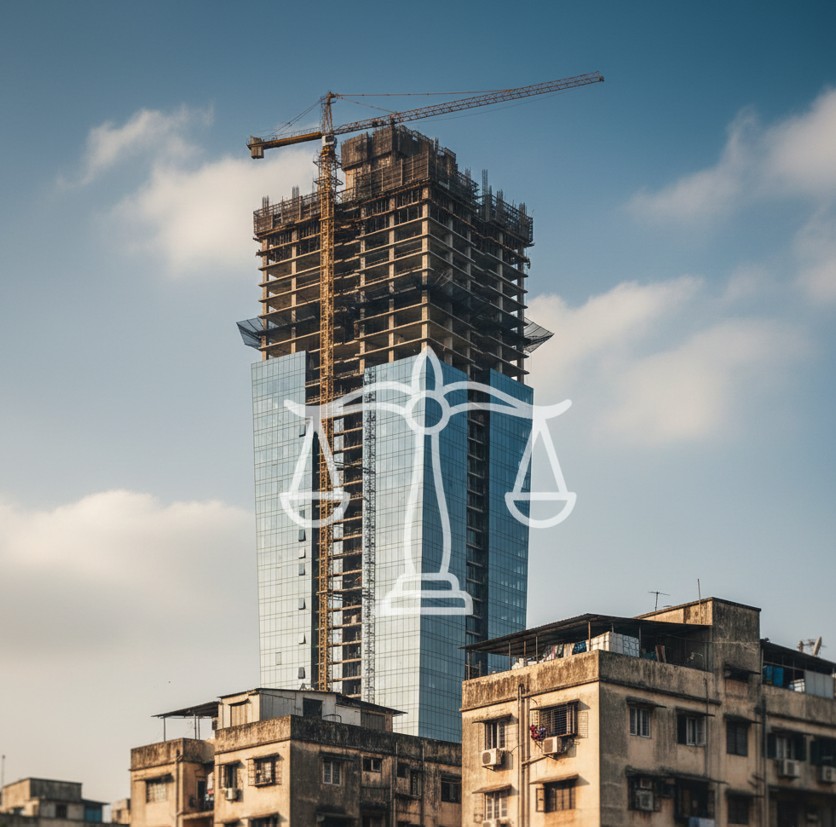
Mumbai, a city constantly reinventing itself, sees its skyline transformed by new high-rises emerging from older structures. Redevelopment projects, while offering the promise of modern amenities and increased property value, often come with a unique set of legal complexities and disputes. For flat owners and housing societies, understanding your rights and responsibilities during such a transition is paramount.
At Legit Law Associates, we frequently encounter questions surrounding redevelopment projects. This post aims to shed light on some common challenges and how informed legal guidance can ensure a legitimate and fair process.
Key Legal Aspects to Consider in a Redevelopment Project:
- The Development Agreement (DA): Your Blueprint for Rights The Development Agreement between the housing society and the developer is the most crucial document. It outlines:
- Carpet Area Entitlement: What new area will you receive? It should be clearly defined, often more than your existing carpet area.
- Corpus Fund & Rent: Details of the financial compensation provided to members during the redevelopment period and the monthly rent for alternate accommodation.
- Project Timelines: Start and completion dates, along with penalties for delays.
- Specifications & Amenities: What are the quality standards and features of the new building?
- Defect Liability Period: The developer’s responsibility for structural defects after possession.
A thoroughly vetted DA ensures your interests are protected and prevents future disagreements.
- RERA (Real Estate Regulatory Authority) Compliance The introduction of RERA has brought much-needed transparency and accountability to real estate. For redevelopment projects, key RERA implications include:
- Mandatory Registration: Most redevelopment projects must be registered with RERA, ensuring oversight.
- Timeline Adherence: RERA provides mechanisms for redressal if developers fail to meet committed timelines.
- Transparency: Developers must disclose project details, approvals, and financial information.
Understanding RERA’s role can significantly empower society members.
- Consent of Society Members: A Critical Prerequisite A redevelopment project generally requires the consent of a significant majority (often 75% or more, depending on society bylaws and government notifications) of the society members. Any deviation from proper procedure or allegations of coercive consent can invalidate the entire process.
It’s crucial that all consents are freely given and legally documented.
- Common Disputes that Arise:
- Delay in Possession: One of the most frequent grievances, leading to financial strain for members.
- Reduction in Carpet Area/Quality Issues: Discrepancies between promised specifications and the delivered flat.
- Non-payment of Rent/Corpus: Developers failing to honour financial commitments.
- Fraudulent Practices: Developers misleading members or attempting to grab additional FSI.
- Disputes among Society Members: Internal disagreements regarding developer selection or terms.
The Role of Legal Guidance
Engaging with legal counsel from the initial stages of a redevelopment proposal can save society members significant time, money, and stress. A law firm can assist with:
- Vetting the Development Agreement: Ensuring fair terms and protecting member interests.
- Negotiation with Developers: Representing the society’s collective demands.
- RERA Consultation & Grievance Redressal: Guiding through the regulatory framework.
- Litigation Support: Representing members or the society in disputes before courts or forums.
Conclusion: Secure Your Future with Informed Decisions
Redevelopment in Mumbai is a transformative journey, but it doesn’t have to be a contentious one. By understanding the legal framework, scrutinizing agreements, and seeking timely professional advice, society members can safeguard their rights and ensure that the promise of a new home is legitimately delivered.
Please Note: This article is for informational purposes only and does not constitute legal advice. The information provided is based on general legal principles and may not apply to your specific situation. For personalized legal guidance regarding redevelopment projects or any other property matter, we recommend consulting with a qualified legal professional.